OFFICE NO 5 & 6, 3RD FLOOR,
EARTH ALPHA COMPLEX
VASNA BHAYLI RD, VADODARA
GUJARAT, INDIA

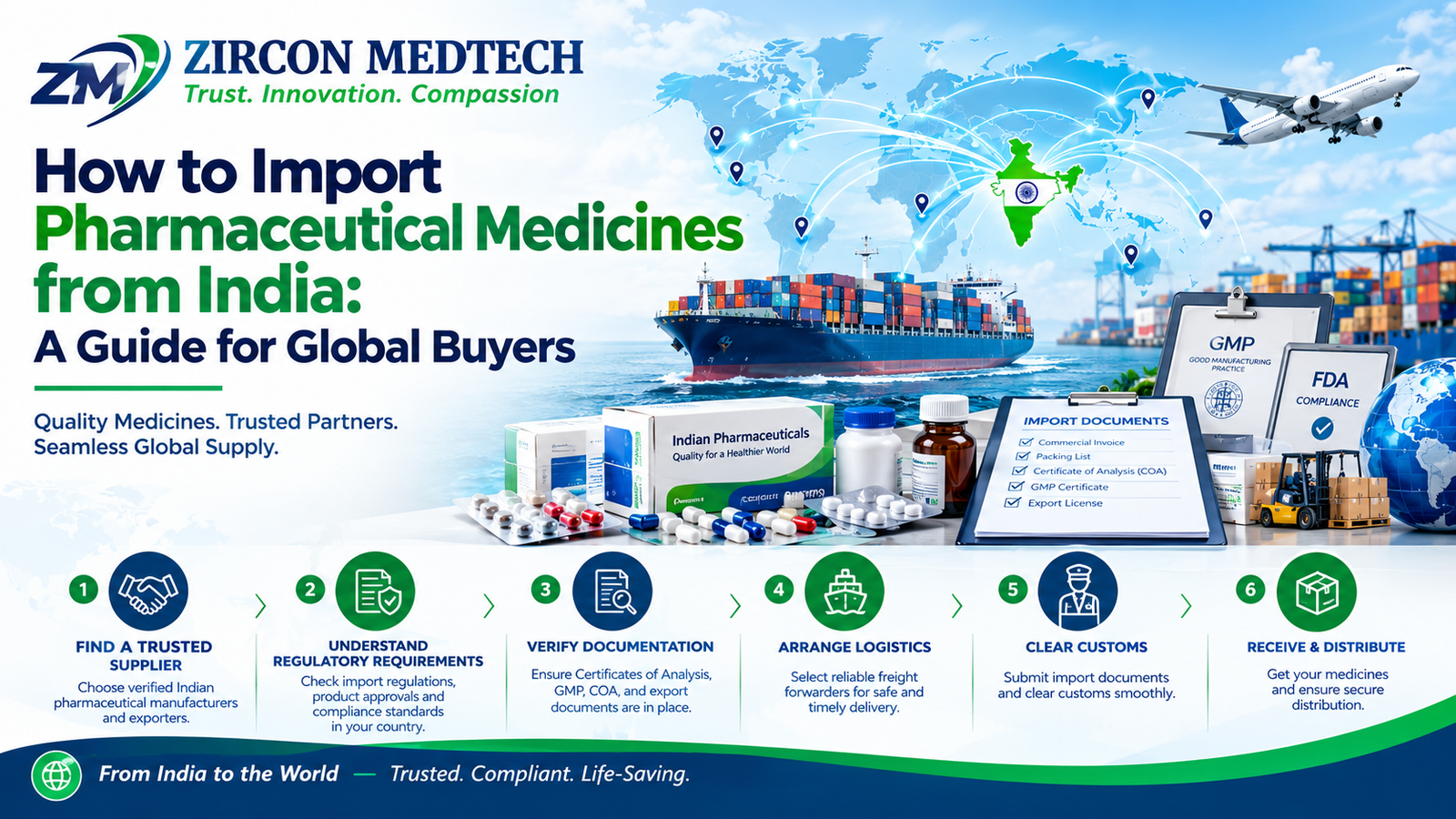
Importing pharmaceutical medicines from India involves more than finding a supplier and placing an order. Buyers need to confirm that the product can be imported into their country, assess the manufacturer, review product documentation, and plan for suitable shipping and storage.
India has developed a strong pharmaceutical manufacturing ecosystem and supplies a wide range of medicines to international markets. For pharmaceutical importers, wholesalers, healthcare suppliers, and distribution companies, sourcing branded generic medicines from India can provide opportunities to expand product portfolios and serve growing healthcare markets. Branded generic medicines are pharmaceutical products marketed under a specific brand name after the original medicine’s patent protection has expired or where the active ingredient is otherwise available for generic manufacture. Although they contain established active ingredients, these products are sold using a manufacturer’s or marketing company’s brand identity. Indian pharmaceutical manufacturers produce branded generic medicines across multiple therapeutic categories and dosage forms. However, international distributors must carefully evaluate product quality, regulatory eligibility, documentation, packaging, pricing, and supply reliability before entering into a commercial partnership. A structured sourcing process can help distributors select appropriate products, comply with destination-country requirements, and establish a reliable pharmaceutical supply chain.
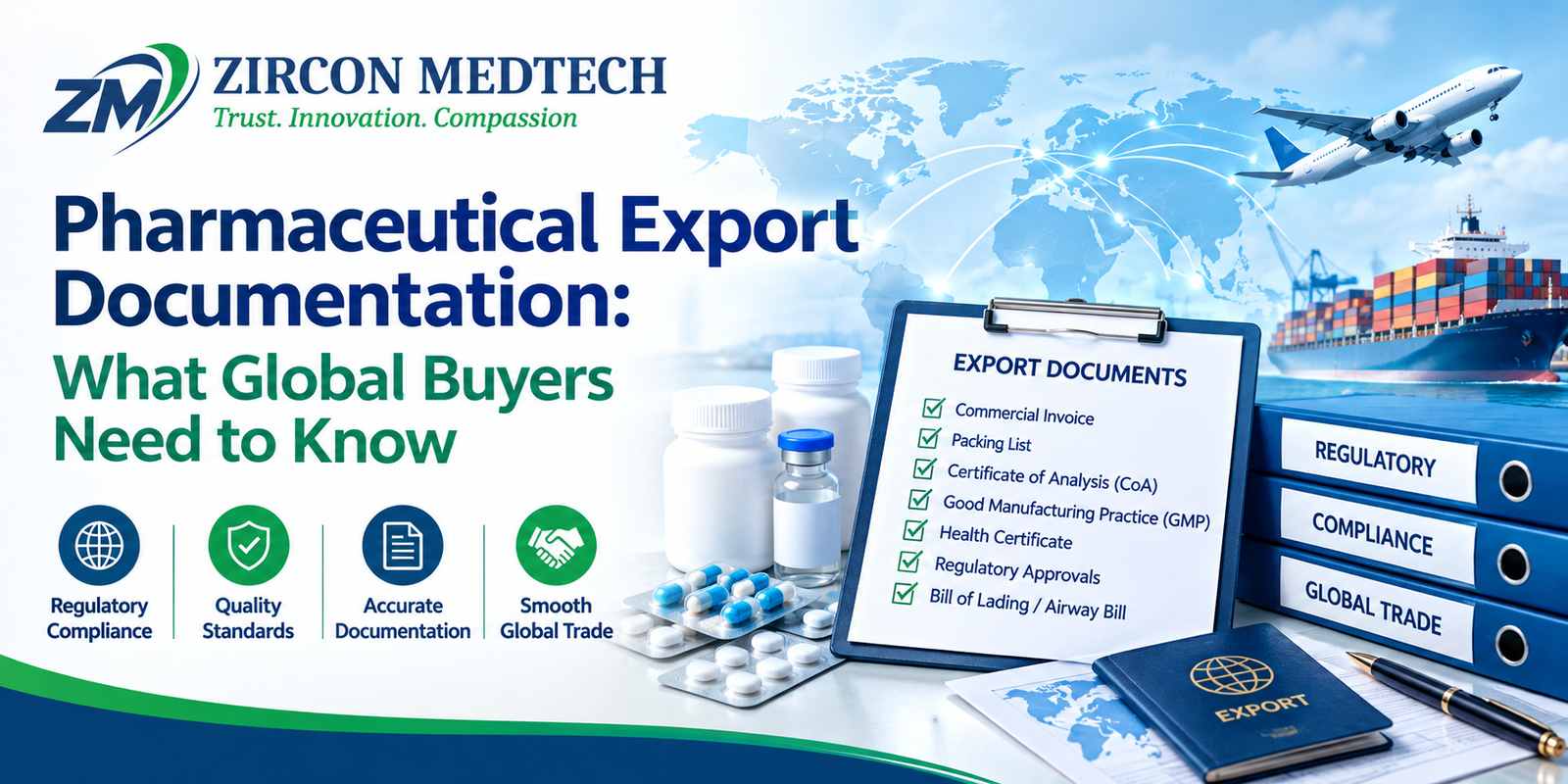
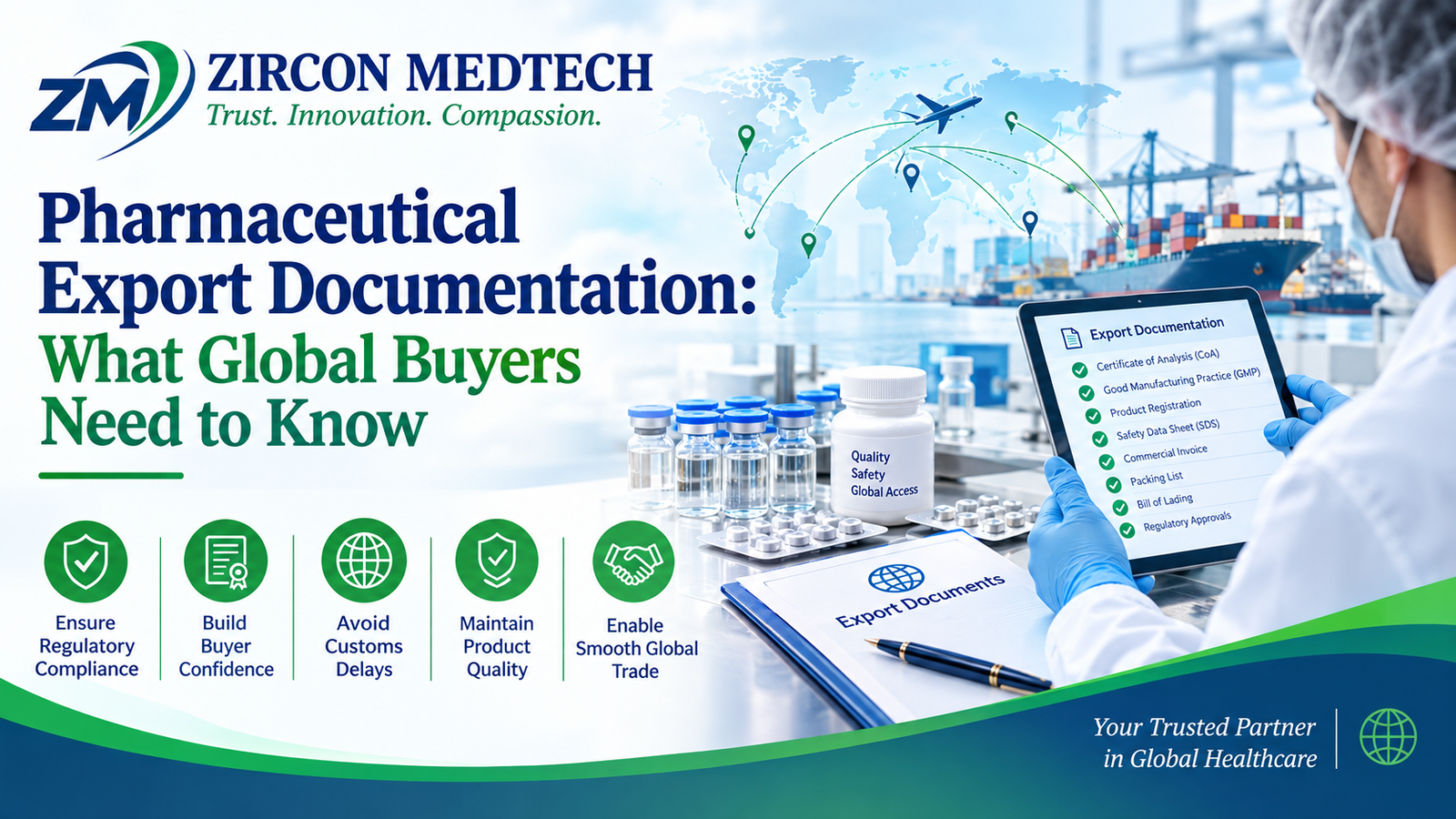
Pharmaceutical export documentation plays an important role in ensuring that medicines move legally, safely and efficiently between countries.
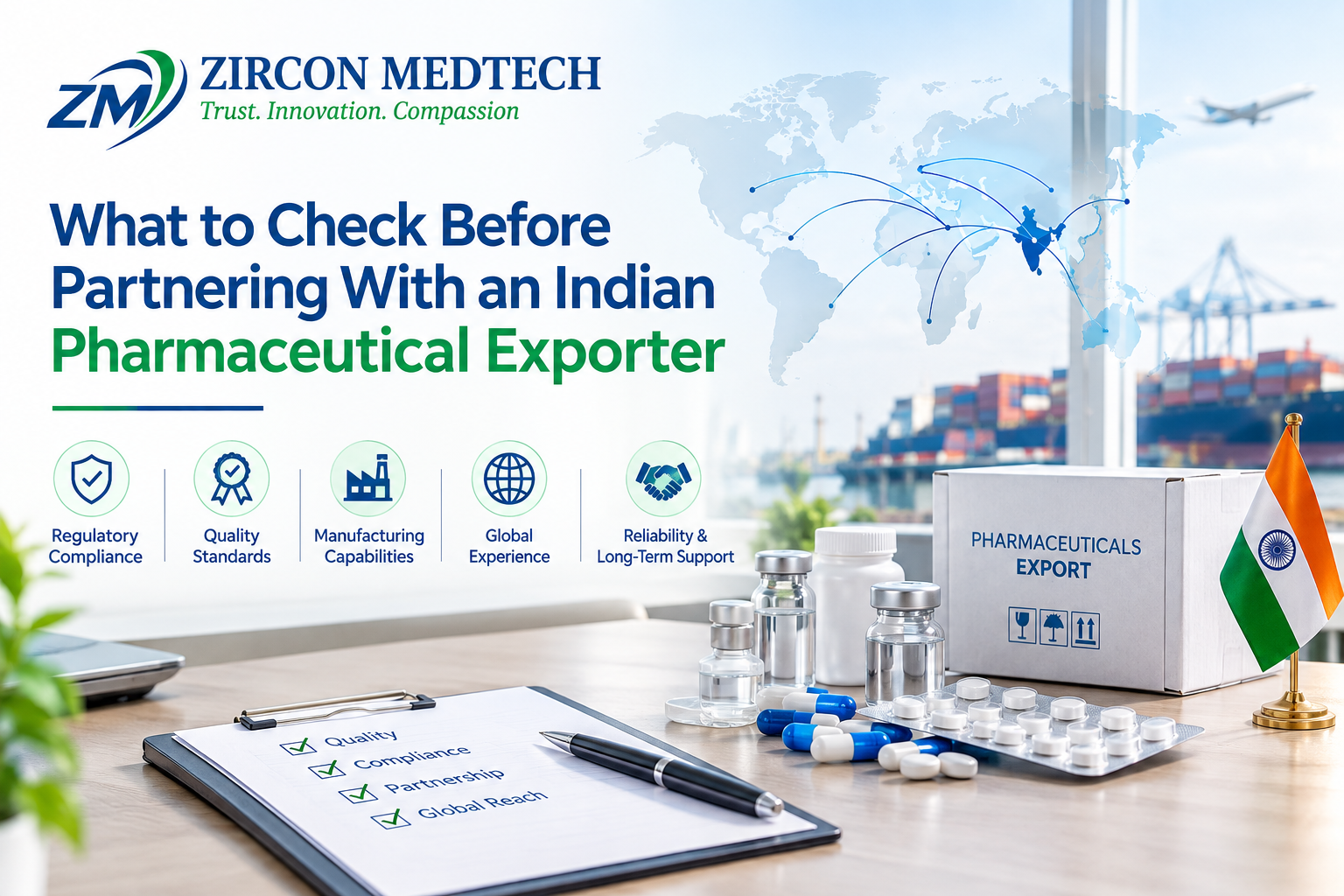
India is an important source of pharmaceutical products for healthcare markets worldwide. International buyers frequently approach Indian suppliers for generic medicines, branded pharmaceutical products, oncology medicines, pharmaceutical injections, critical-care products, and other healthcare solutions. However, choosing an exporter should involve more than comparing product lists and prices. Before forming a partnership, buyers should carefully examine the exporter’s product quality, regulatory knowledge, documentation capabilities, supply reliability, communication standards, and international experience. A careful evaluation can help importers, distributors, hospitals, government organisations, and pharmaceutical companies reduce sourcing risks and build a dependable long-term supply relationship.

WHO-GMP pharmaceutical manufacturing plays an important role in ensuring that medicines are consistently produced and controlled according to established quality standards.
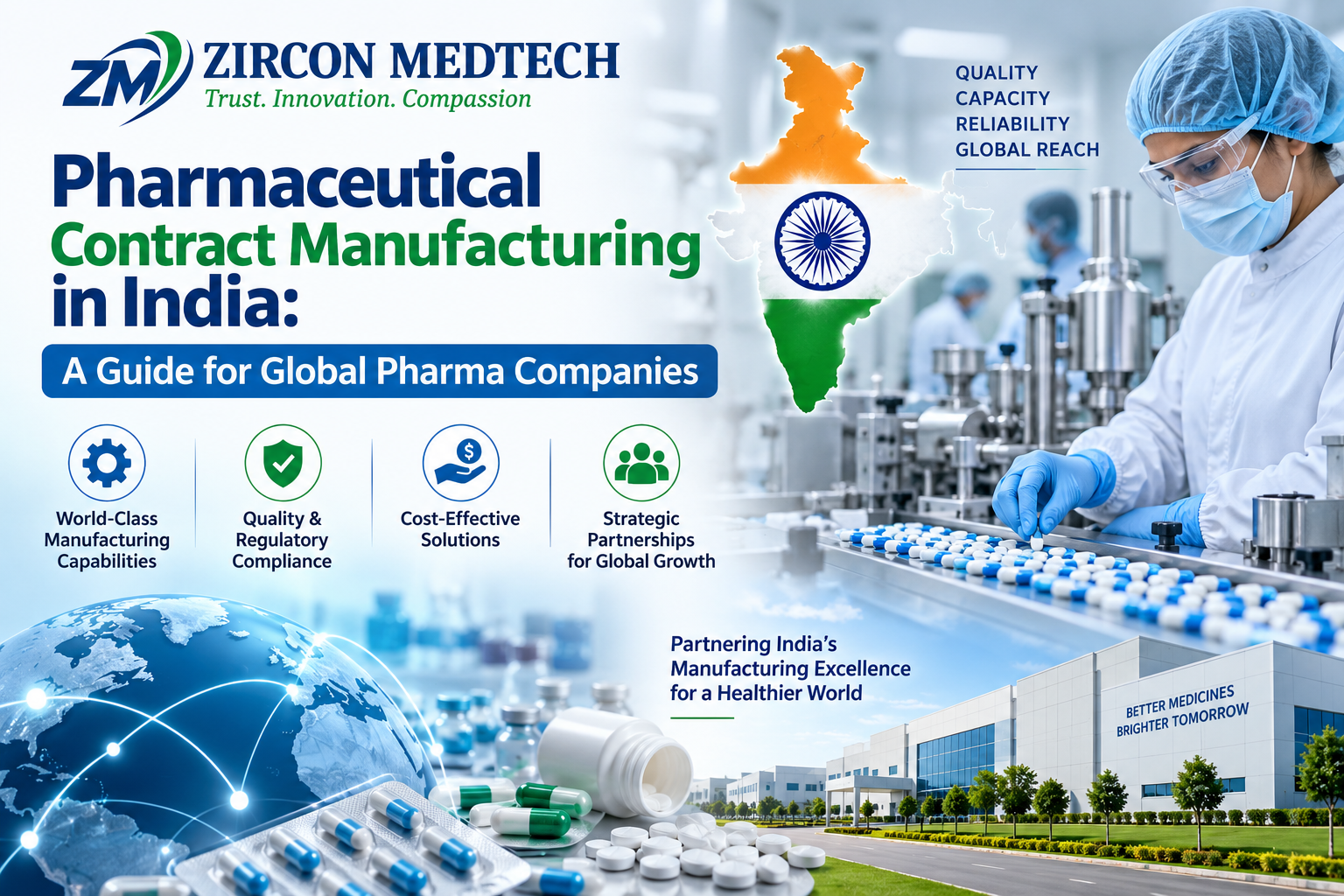
India has established itself as a major pharmaceutical manufacturing hub, providing medicines, formulations, and healthcare products to markets across the globe. For international pharmaceutical companies, distributors, healthcare businesses, and emerging brands, pharmaceutical contract manufacturing in India offers an opportunity to access established manufacturing capabilities without developing and operating their own production facilities. Contract manufacturing enables pharmaceutical companies to work with specialized Indian manufacturers for the production of medicines and formulations according to agreed specifications, quality standards, packaging requirements, and regulatory expectations. With India's extensive pharmaceutical infrastructure, skilled workforce, and experience in serving international markets, the country has become an important destination for companies seeking scalable and cost-effective manufacturing partnerships. Pharmaceutical contract manufacturing requires careful evaluation because product quality, regulatory compliance, manufacturing capacity, documentation, intellectual property protection, and supply-chain reliability can directly affect a company's ability to successfully launch and distribute pharmaceutical products in international markets.
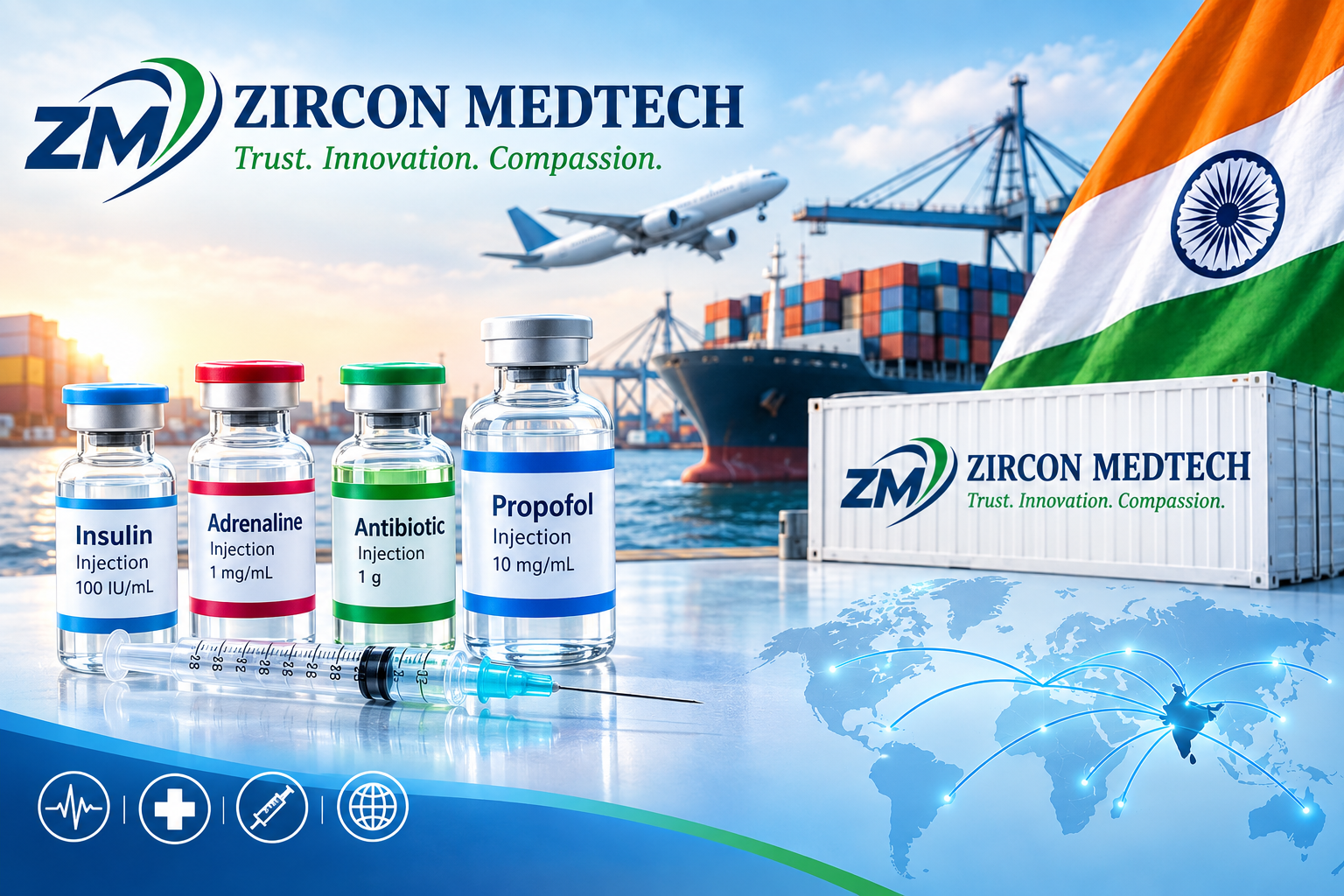
India has established a strong position in the global pharmaceutical industry, supplying high-quality medicines and specialized formulations to healthcare systems across the globe. For international procurement teams, hospital networks, distributors, and pharmaceutical importers, India serves as a crucial partner for sourcing affordable critical care medicines and life-saving injectables. The nation regularly exports generic formulations and vital emergency drugs to around 200 countries and territories. Critical care medicines and life-saving injections require particular attention because they are time-sensitive, high-volume healthcare necessities subject to strict regulatory, quality, cold-chain, and registration mandates in destination markets. Industry evaluations continually highlight critical care injectables as an essential category where precise quality assurance and supply stability directly impact patient survival.
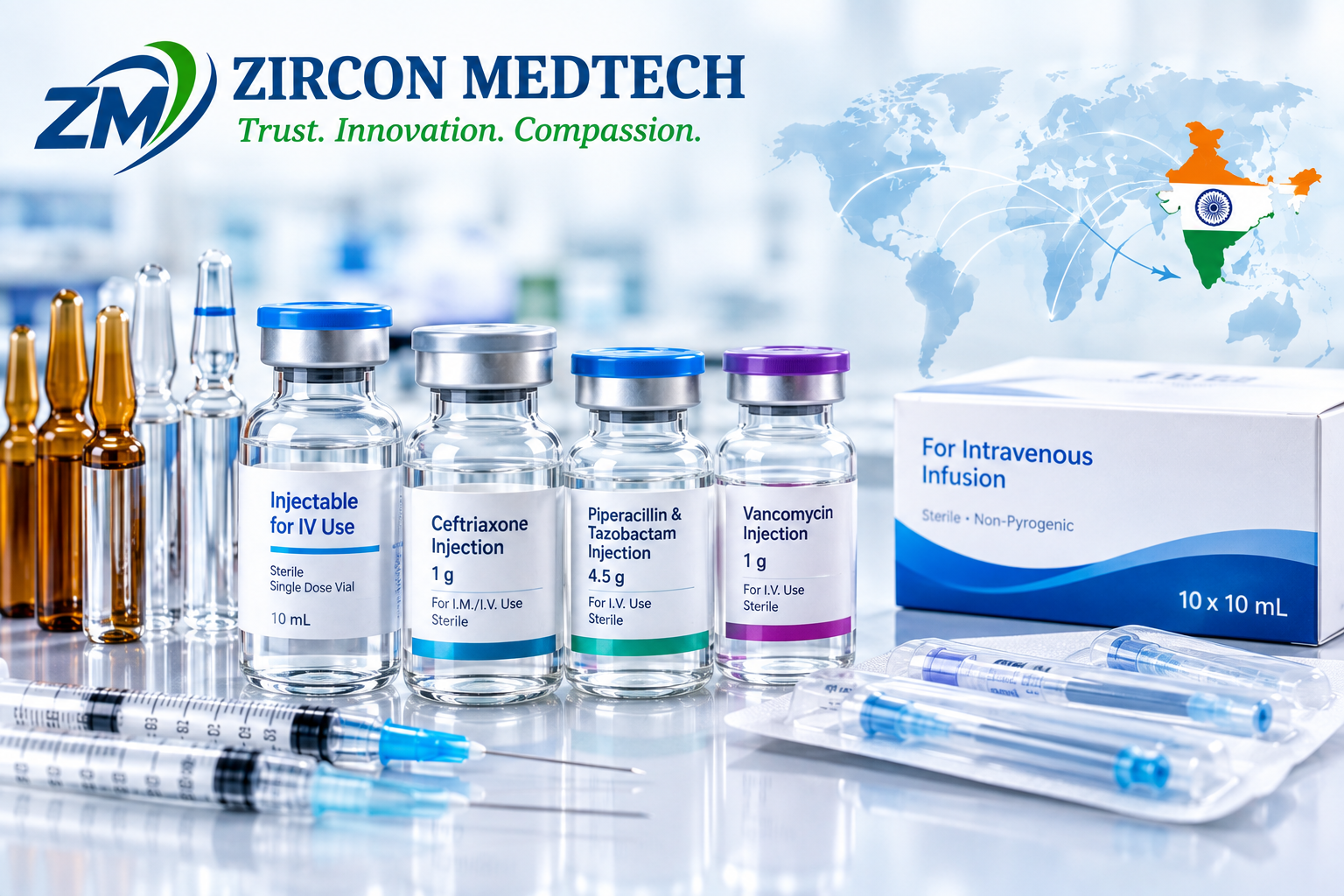
India has become an important global source of pharmaceutical products, including injectable medicines. Pharmaceutical injections are widely used in hospitals, clinics, emergency care, critical care, and other medical settings where reliable and consistent product quality is essential. For international buyers, sourcing injections from India requires more than simply finding a supplier. Buyers need to consider manufacturing quality, regulatory compliance, product documentation, packaging, storage conditions, and export requirements. Choosing a reliable pharmaceutical exporter can help ensure that products meet the required standards for their intended market.

Choosing the right pharmaceutical supplier is an important decision for international buyers, distributors, hospitals, pharmacies, and healthcare businesses. A reliable supplier should provide quality pharmaceutical products, consistent supply, proper documentation, and professional support throughout the purchasing and export process. India has a well-established pharmaceutical industry and supplies medicines to healthcare markets across the world. However, with many pharmaceutical companies and exporters operating in the market, buyers should carefully evaluate a supplier before establishing a long-term business relationship.

India has established a strong position in the global pharmaceutical industry, supplying medicines to markets around the world. For international healthcare companies, distributors, and pharmaceutical importers, India can be an important source of affordable and quality medicines, including products used in oncology care. India exports pharmaceutical products to around 200 countries and territories. Oncology medicines require particular attention because they are often high-value products and may be subject to specific regulatory, quality, registration, and procurement requirements in different countries. A recent industry report also identifies oncology products as an important category where market approvals and regulatory requirements can influence international supply.

Choosing the right pharmaceutical supplier is an important decision for international buyers, distributors, hospitals, pharmacies, and healthcare businesses. A reliable supplier should provide quality pharmaceutical products, consistent supply, proper documentation, and professional support throughout the purchasing and export process. India has a well-established pharmaceutical industry and supplies medicines to healthcare markets across the world. However, with many pharmaceutical companies and exporters operating in the market, buyers should carefully evaluate a supplier before establishing a long-term business relationship.

The chemicals and fertilisers ministry rolled out the schemes under the banner of 'Strengthening Pharmaceuticals'

According to the industry experts, the Indian pharmaceutical market

Pharma industry expects to report 7%- 9% revenue growth in FY23: CRISIL