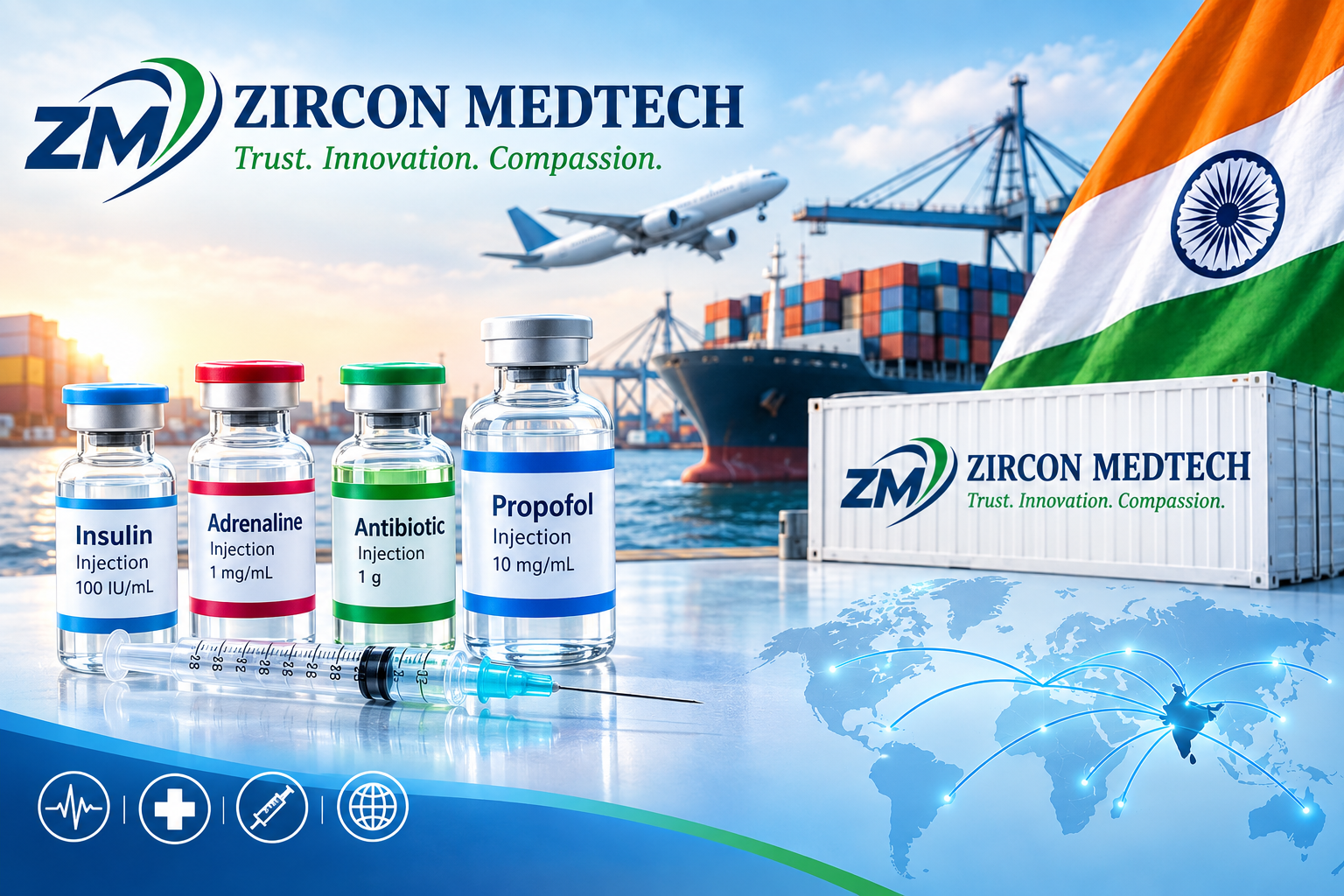
Critical Care and Life-Saving Injections Export from India: A Guide for Global Buyers
Why Source Critical Care Injections from India?
India boasts an advanced pharmaceutical manufacturing infrastructure with extensive experience producing complex sterile injectables and supplying regulated international markets. The country’s pharmaceutical sector is globally recognized for merging large-scale manufacturing capacity with competitive production economics.
For international buyers, sourcing critical care injectables and emergency formulations from India offers access to a broad portfolio of essential medicines while maintaining a cost-effective, scalable supply chain.
What Are Critical Care and Life-Saving Injections?
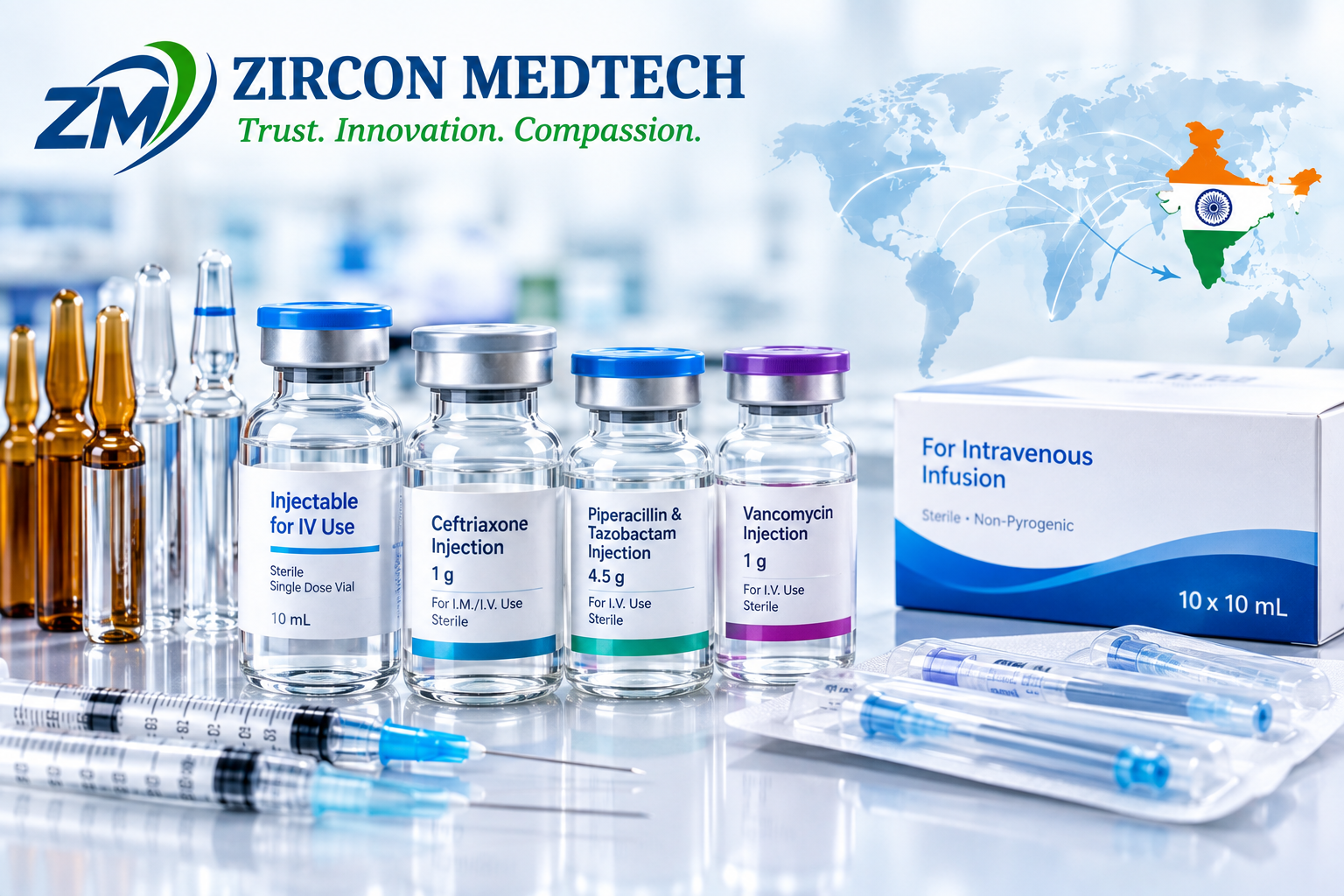
Critical care and life-saving injections encompass sterile pharmaceutical formulations administered in intensive care units (ICUs), emergency rooms, surgical settings, and trauma centers. Depending on treatment protocols, they include emergency cardiovascular agents, broad-spectrum IV antibiotics, anesthetics, anticoagulants, and immediate-response resuscitation therapies.
International buyers should consistently ensure that the products sourced meet regional hospital criteria and fully comply with destination regulatory frameworks.
What Global Buyers Should Check
Before purchasing critical care and life-saving injections from an Indian pharmaceutical exporter, buyers should thoroughly assess several vital factors.
- Sterility and Product Quality Sterility and purity are absolute priorities for intravenous and intramuscular formulations. Buyers must evaluate the supplier’s analytical testing protocols, endotoxin testing capabilities, sterile batch validation, and quality-control systems. A dependable pharmaceutical partner will readily supply batch certificates and detailed quality control documentation.
- Manufacturing Standards Buyers should inspect manufacturing facilities to confirm adherence to stringent sterile manufacturing practices. India hosts sterile injectable facilities accredited by international authorities, alongside sites compliant with WHO Good Manufacturing Practices (WHO-GMP), EU-GMP, and foreign regulatory standards.
- Regulatory Approvals Emergency and ICU formulations often require specific dossier registrations (such as CTD/eCTD) prior to commercial distribution in target markets. Requirements vary by region; hence, international importers must verify registration status and import permit compliance with their local health authorities prior to procurement.
- Product Documentation Comprehensive documentation underpins seamless international pharmaceutical clearance. Depending on destination regulations, buyers may require Certificates of Analysis (CoA), Stability Data, Batch Manufacturing Records, Method of Analysis (MoA), and Certificate of Pharmaceutical Product (COPP) documentation. A reliable exporter maintains transparent communication regarding dossier availability and certification.
- Supply Chain Continuity and Scale In critical care environments, stockouts can jeopardize patient outcomes. Buyers must evaluate an exporter’s production capacity and ability to provide steady, uninterrupted order fulfillment. Consistent supply reliability is vital for institutional buyers and government health agencies managing emergency reserves.
- Cold-Chain Logistics and Packaging Certain injectable formulations require precise temperature monitoring (such as 2°C to 8°C storage) and protection from light or shock during handling. Buyers must confirm that packaging materials, tamper-evident seals, vials/ampoules, and thermal transport solutions meet international export and transit demands.
Exporting Life-Saving Medicines to Global Markets
India's pharmaceutical export network forms a backbone for global healthcare distribution. The country supplies sterile injectables, generic life-saving formulations, and critical biologicals worldwide.
However, exporting critical care items successfully demands more than volume production. Exporters and international buyers must align on regulatory filings, cold-chain logistics, complete batch documentation, and country-specific health guidelines.
Choosing the Right Pharmaceutical Exporter
Partnering with an established pharmaceutical exporter helps global buyers streamline the complexities of importing emergency injectables and critical care products from India.
Buyers should evaluate:
- Sterile manufacturing quality and batch consistency
- Accreditation standards (WHO-GMP, EU-GMP, etc.)
- Regulatory dossier support and compliance
- Completeness of product documentation
- Production capacity and supply availability
- Cold-chain logistics and protective packaging expertise
- International export track record
- Responsive business communication and client support
India continues to expand its international pharmaceutical presence, while promotion bodies such as PHARMEXCIL facilitate trade ties between foreign healthcare importers and verified Indian manufacturing exporters.
Share This News