
OFFICE NO 5 & 6, 3RD FLOOR,
EARTH ALPHA COMPLEX
VASNA BHAYLI RD, VADODARA
GUJARAT, INDIA


What Is Pharmaceutical Packaging?
Pharmaceutical packaging is the system of containers, closures and protective materials used to contain and protect a medicine.
Different packaging layers perform different functions.
Primary packaging directly contacts the medicine. Examples include blister packs, bottles, ampoules, vials and their closures.
Secondary packaging surrounds the primary pack. It may include cartons and patient information leaflets.
Transport packaging protects products during handling and distribution. Examples include shipping cartons, protective dividers, pallets and temperature-controlled shipping systems.
These layers should work together to protect the product and maintain its identification throughout delivery.
What Is Pharmaceutical Labelling?
Pharmaceutical labelling communicates information about a medicine, its identity, use, storage and relevant precautions.
Information may appear on the immediate container, outer carton and accompanying leaflet. The exact content, language and presentation depend on the product and destination-market requirements.
For example, the European Medicines Agency provides product-information guidance covering labelling and package leaflets, including their content, format and language requirements. Exporters should check the corresponding requirements of each intended market.
Labelling should be treated as controlled product information rather than simply a marketing design.
Why Packaging and Labelling Matter in Global Pharmaceutical Exports
International shipments may pass through warehouses, airports, ports, customs facilities and local distribution centres before reaching their destination.
Each stage introduces handling and environmental risks. WHO identifies storage, repackaging, relabelling, transportation and distribution as stages where medical products may be exposed to risks.
Suitable packaging and accurate labelling help businesses manage these risks. They also support receiving checks, stock control and the investigation of product complaints.
What International Buyers Should Check
Before approving a pharmaceutical export order, buyers should review the proposed packaging and labelling against the exact product specifications and destination requirements.
1. Packaging Suitability for the Medicine
Packaging should be suitable for the formulation, dosage form and intended shelf life.
A tablet sensitive to moisture may need a different protective system from a liquid medicine or sterile injection. Packaging materials and closures should be assessed for compatibility with the product.
Buyers should confirm that the proposed container-closure system is supported by appropriate technical evidence. An attractive pack or strong shipping carton does not establish that the primary packaging is suitable for the medicine.
2. Protection Against Physical Damage
International handling can expose shipments to vibration, compression and impact.
Glass containers may need dividers or cushioning to reduce breakage. Outer cartons should be appropriate for the shipment weight and handling conditions.
Review:
• Protection for fragile containers.
• Carton strength and packing configuration.
• Closure security and leakage risks.
• Pallet arrangements, where relevant.
• Handling instructions for logistics providers.
Transport protection should be considered alongside the suitability of the medicine’s primary packaging.
3. Destination-Market Labelling Requirements
A label suitable for one country may require changes before the same product can be supplied elsewhere.
Before printing, establish the information required by the destination authority and the approved product documentation.
Depending on the product and market, this may include:
• Product name and active ingredient.
• Strength and dosage form.
• Route of administration.
• Pack size or quantity.
• Batch number and expiry date.
• Storage instructions.
• Relevant warnings.
• Manufacturer or marketing authorisation holder details.
• Local registration information.
This is a review checklist rather than a universal legal specification. The importer’s regulatory team should confirm the exact requirements before artwork approval.
4. Language, Readability and Translation
Labels and leaflets must communicate information clearly to their intended users.
Check the required languages, terminology, text size and layout. Translation should preserve the meaning of the approved information, especially product strength, warnings and instructions.
Qualified review is important where translations involve technical or medical terminology.
Avoid layouts that obscure essential information or make different strengths difficult to distinguish. European Commission guidance includes readability considerations for medicinal product labels and package leaflets.
5. Batch Identification and Traceability
Batch information helps connect supplied medicines with manufacturing and distribution records.
Buyers should check that the batch details on the products correspond with the relevant shipment documents and Certificates of Analysis.
Clear records should connect:
• The product and its strength.
• The actual manufacturer.
• Batch numbers.
• Quantities supplied.
• Dispatch and receipt details.
• Supporting quality documents.
These records help identify affected stock when investigating a complaint or coordinating a recall. Printed batch information is useful only when supported by reliable records.
6. Shelf Life and Expiry Information
Expiry information should be legible and consistent across the relevant packaging and documents.
Buyers should agree on the minimum remaining shelf life required at a defined point, such as dispatch or delivery.
Planning should account for production release, international transport, customs clearance and local distribution. A shipment may arrive within its expiry date but still have insufficient remaining shelf life for the buyer’s needs.
Check date formats carefully to avoid confusion between day, month and year.
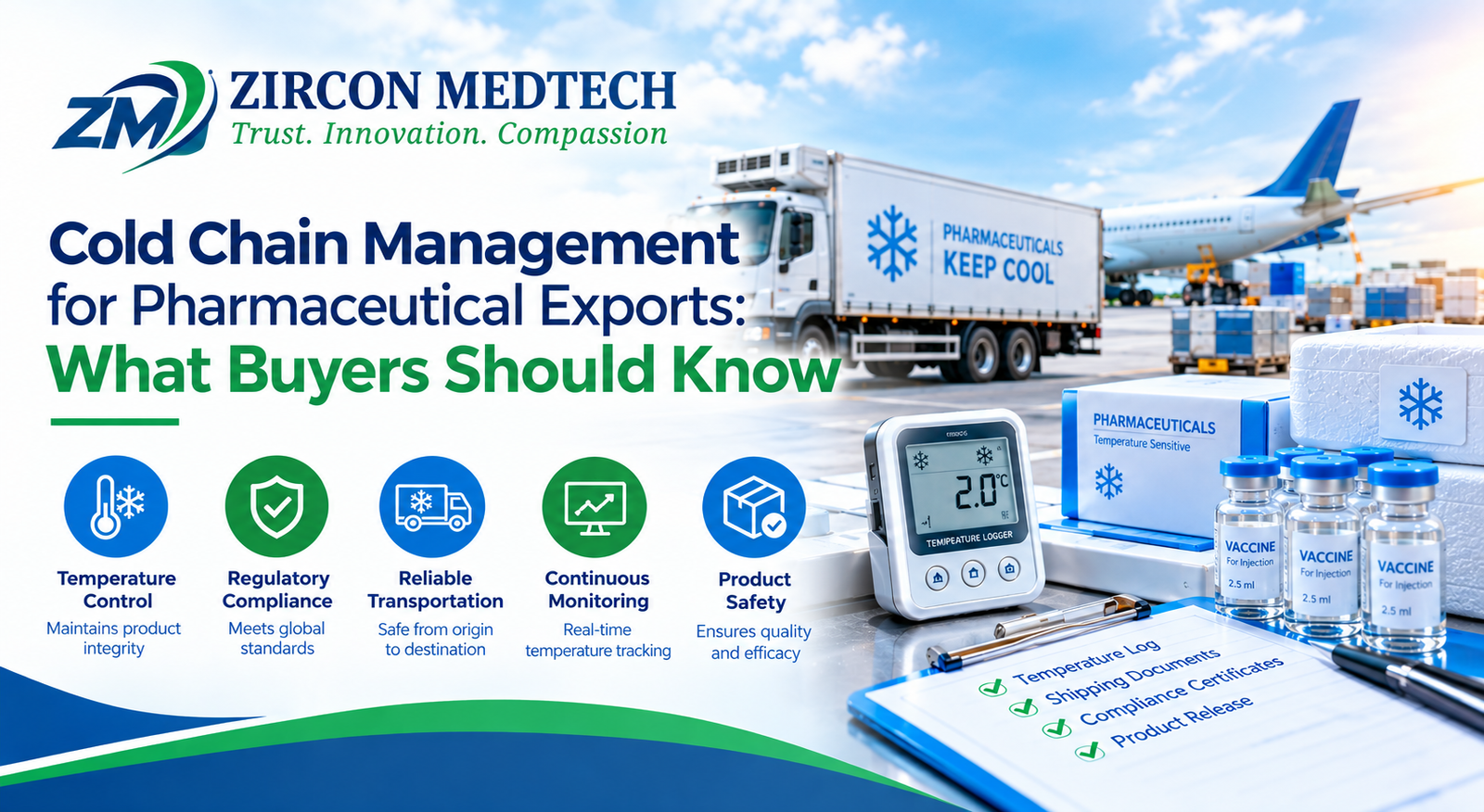
7. Temperature-Sensitive Shipping
Temperature-sensitive medicines require a transport system suited to their specified storage conditions and expected journey.
An insulated box alone does not demonstrate adequate temperature protection. The shipping arrangement should account for transit duration, environmental conditions, delays and handling.
WHO provides guidance on the storage and transport of time- and temperature-sensitive pharmaceutical products.
Before shipment, agree on:
• The required temperature range.
• Appropriate qualified shipping arrangements.
• Monitoring requirements.
• Handling responsibilities at transfer points.
• Procedures for reviewing temperature excursions.
Products exposed to unsuitable conditions should be assessed through the agreed quality process before release for distribution.
8. Tamper Evidence and Product Authentication
Where required, packaging may include tamper-evident features, serialisation or other identification measures.
Buyers should confirm which features apply to the specific product and destination market. A barcode or QR code should not automatically be treated as proof of authenticity.
Check how identifiers are issued, recorded and verified, and whether they must connect with a destination-market system.
Damaged security features, unexpected identifiers or inconsistent packaging should trigger investigation.
9. Artwork Approval and Version Control
Packaging errors can arise when outdated or unapproved artwork reaches production.
Establish a documented approval process covering labels, cartons, leaflets and relevant variable information.
The process should identify:
• Who prepares the artwork.
• Who reviews technical and regulatory content.
• Who authorises the final version.
• How approved files are controlled.
• How changes are assessed and communicated.
Changes to a product name, strength, pack size or storage statement should receive appropriate review before implementation.
10. Pre-Dispatch Packaging Checks
Before shipment, confirm that the finished packs match the approved specifications.
Checks should cover product identity, strength, pack size, artwork version, batch details, expiry information and visible packaging condition.
Inspect for damaged containers, missing leaflets, unreadable printing and incorrect labels. Confirm that shipping marks and packing documents accurately describe the consignment.
Pre-dispatch checks help identify discrepancies while corrective action can still be taken before export.
Common Packaging and Labelling Problems to Avoid
Problems may include:
• Incorrect strength or dosage form on the label.
• Missing destination-language information.
• Unclear batch or expiry printing.
• Outdated leaflet versions.
• Packaging changes without appropriate review.
• Inadequate protection for fragile containers.
• Transport arrangements unsuitable for storage requirements.
• Differences between labels and shipment documents.
A shared specification, controlled artwork and clearly assigned responsibilities help reduce these risks.
Why Coordination Between Exporters and Importers Matters
Manufacturers, exporters, importers and logistics providers manage different parts of the supply chain.
A written quality agreement can clarify responsibilities for packaging specifications, artwork approval, batch release, transport conditions and complaint handling.
The importer should confirm destination-market requirements early enough for the manufacturer and exporter to prepare the correct presentation.
Packaging or labelling changes should not be made informally during shipping or customs clearance. Any necessary repackaging or relabelling should follow applicable authorisations and controlled procedures.
Why the Right Pharmaceutical Export Partner Matters
A responsible pharmaceutical export partner should explain the proposed packaging, identify the actual manufacturer and coordinate the documentation required for the transaction.
International buyers should assess the partner’s ability to manage approved artwork, traceability, shipment preparation and communication about changes.
When discussing sourcing requirements with Zircon Medtech, buyers should specify the destination country, product details, pack size, required language and storage conditions. These details provide a practical starting point for evaluating the proposed supply.
Final Thoughts
Pharmaceutical packaging and labelling support safe global exports by protecting medicines, communicating essential information and maintaining product identification.
International buyers sourcing medicines from India should review packaging suitability, destination requirements, artwork control and transport arrangements before approving a shipment.
Careful coordination across the supply chain helps medicines arrive in the correct presentation, with the protection and information needed for their intended market.








Share This News